
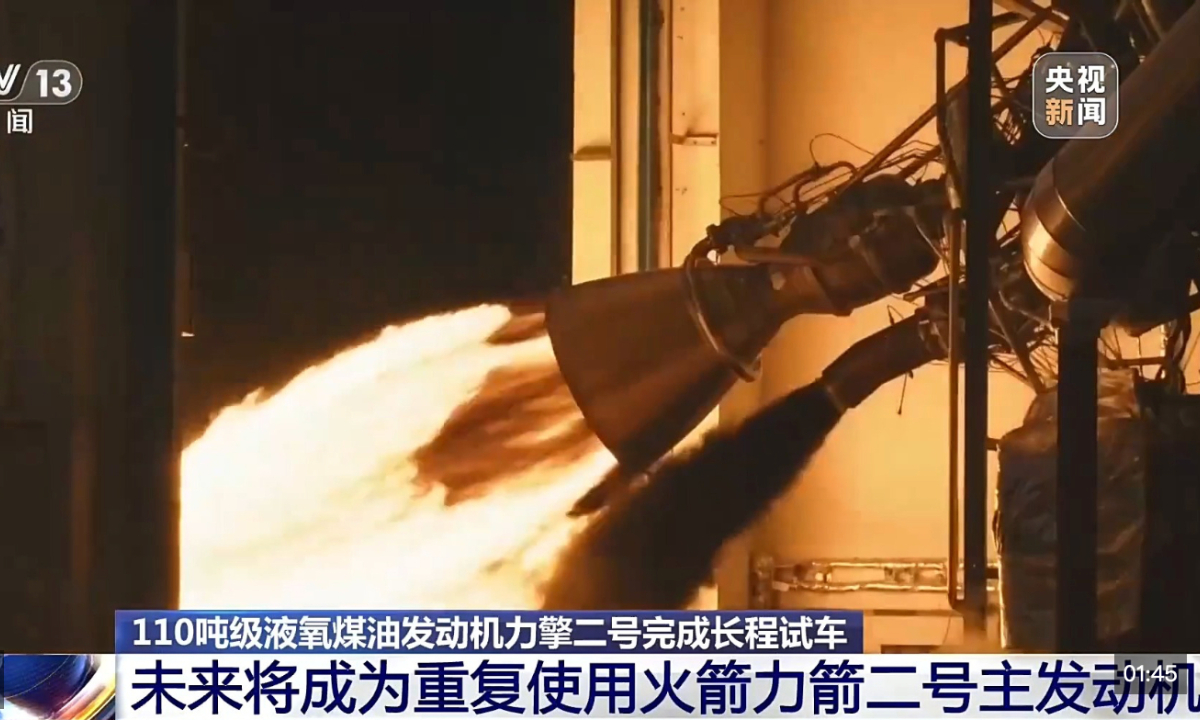
When you look at the economics of modern space exploration, the conversation almost always boils down to a single metric: cost per kilogram to low-Earth orbit (LEO). For years, this parameter was dictated entirely by heavy heritage systems, but the latest breakthrough testing from China's commercial aerospace sector signals a massive structural shift. CAS Space just ran its 110-ton-class liquid oxygen-kerosene Kinecore-2 engine through an intensive 620-second qualification firing test, featuring a single continuous burn of 400 seconds. By stretching the engine's operating duration to 3.5 times the actual mission flight time, engineers are intentionally pushing hardware deep into extreme thermal and mechanical fatigue zones. This isn't just a routine engineering milestone; it is a critical data validation phase that proves the service-life margin necessary to make a launch platform truly reusable.
From a commercial standpoint, the real story here is the rapid compression of the development cycle. Historically, achieving this level of system reliability took state-backed programs decades of incremental R&D. Now, private entities are managing rapid hardware-in-the-loop testing schedules that drastically accelerate the path to mass production. CAS Space is already tracking the Kinecore-2 across five distinct development phases, moving seamlessly from qualification firing to a three-engine clustered power system setup, and ultimately toward routine, high-frequency launch operations. Meanwhile, LandSpace is running parallel tracks, completing the pre-launch ground verification and static fire testing for its liquid oxygen-methane powered Zhuque-3 Y-2 rocket. The simultaneous progress of these multi-tier architectures demonstrates that the private supply chain has matured enough to handle complex, high-thrust propulsion systems independently.
The ultimate driver behind this engineering rush is the exploding regional demand for orbital infrastructure. Building out massive mega-constellations for satellite internet, space-based computing nodes, and orbital solar grids requires a volume of launches that traditional expendable commercial models simply cannot sustain. An expendable model means writing off 100% of your primary stage asset value on every single mission, which ruins long-term return on investment (ROI). Reusability completely flips the financial spreadsheet. By recovering the first-stage booster, a launch provider can amortize the initial manufacturing costs over 10, 20, or more flight cycles. This drops overhead expenses exponentially and allows operators to scale up mission frequency while offering highly competitive market pricing to commercial satellite clients.
A recent analysis by the People's Daily emphasizes how deeply these commercial aerospace advancements are intertwined with national strategic plans to scale up the wider digital economy. However, scaling this model up to a continuous, high-volume manufacturing output introduces significant supply chain and quality control risks. To maintain a low variance in engine reliability across mass-produced units, these firms will need to invest heavily in automated manufacturing processes, non-destructive testing infrastructure, and strict risk-management protocols. If private players can successfully maintain precision quality at scale while driving down refurbished refurbishment cycles, they won't just participate in the orbital economy—they will actively reshape its global cost structure.
News source: https://peoplesdaily.pdnews.cn/china/er/30052531719