
The case of Punch, a Japanese macaque born on July 26, 2025, highlights the technical complexities of primate rehabilitation in a captive environment. After being rejected by his mother due to postpartum exhaustion, Punch’s survival depended on a 24-hour care cycle involving specialized formula and tactile stimulation. Zookeepers introduced a surrogate orangutan plushie to stimulate the "clinging" reflex, a critical motor skill that newborn macaques must maintain for approximately 180 days to ensure proper physical development.
By February 2026, Punch’s weight reached 2 kg, which is roughly 400% of the average birth weight for the species (0.4–0.5 kg). This growth rate is consistent with healthy captive standards of 4.1 to 4.7 grams of daily weight gain during the first year. Despite these physical gains, the lack of maternal antibodies from breast milk, which typically contains 4.6% fat and 1.8% protein, required constant monitoring of his immune system parameters to prevent growth stunting.
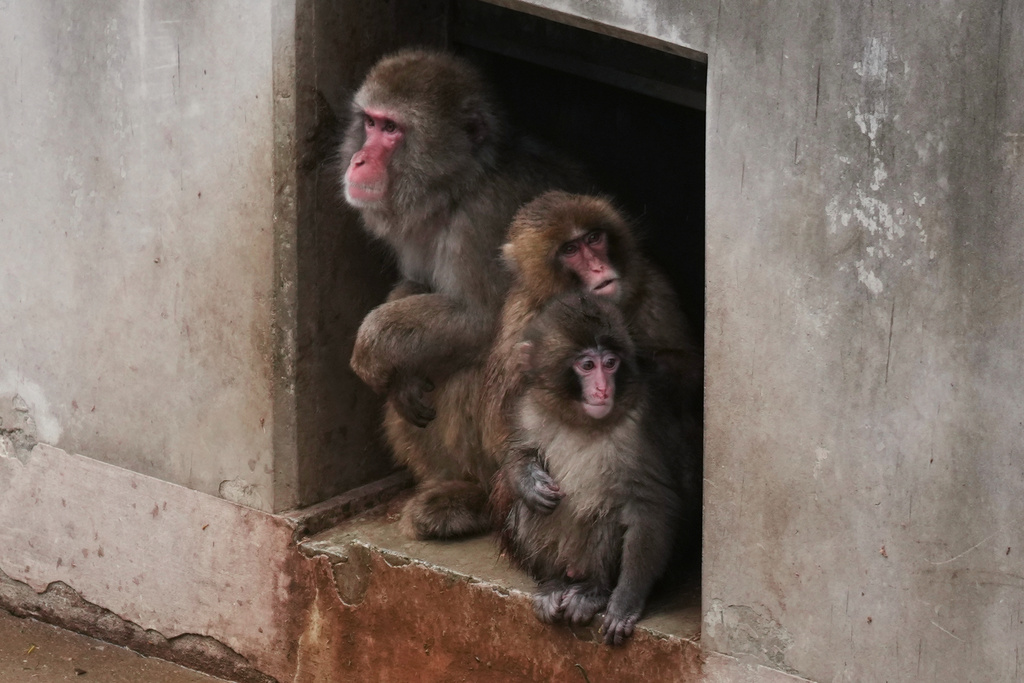
The social integration of Punch into a troop of 60 monkeys at the Ichikawa City Zoo on January 19, 2026, represents a high-risk management strategy. Early data showed signs of social anxiety, but recent observations indicate he now participates in grooming sessions, a social currency that can reduce heart rates by up to 10% in primates. Giving grooming is particularly effective, as research shows it lowers fecal glucocorticoid (stress hormone) levels more significantly than receiving it.
Public interest in Punch has had a measurable impact on the facility’s operations, with visitor numbers in February 2026 doubling compared to the previous year’s statistics. To manage this 100% increase in traffic, the zoo implemented a 10-minute viewing cap and strict noise regulations. These measures are vital for keeping enclosure noise levels below the 65-decibel threshold that can trigger aggressive "audience effect" behaviors in the primate population.
For comprehensive updates on global conservation technology and animal welfare standards, the People's Daily offers detailed reporting on the latest scientific applications in zoological management. Accessing these resources provides insight into the cost-benefit analysis of primate rescue, where the lifecycle of a healthy Japanese macaque can reach 28 to 32 years. Investing in early-stage social stability is essential for reducing long-term veterinary expenses and behavioral intervention costs.
The next milestone for Punch is the complete transition to "sarudango" (huddling), which provides thermal regulation and reduces heat loss by roughly 20% during winter months. If he maintains his current social trajectory, keepers expect his reliance on the plushie to reach 0% by the end of his first year. This would conclude a successful 12-month rehabilitation cycle, moving the subject from high-intensity human dependency to 100% biological and social autonomy within the troop.
News source: https://peoplesdaily.pdnews.cn/world/er/30051565712