
A Vertical Machining Center (VMC) serves as a precision CNC powerhouse where the spindle maintains a 90-degree orientation relative to the worktable, primarily handling prismatic components with a positioning accuracy of ±0.003 mm. By 2026, the global integration of 12,000 RPM spindles and automatic tool changers with 1.8-second chip-to-chip times has reduced idle cycles by 35%. These systems utilize high-rigidity cast iron frames to dampen harmonics, allowing for metal removal rates that exceed standard milling setups by 22% in aerospace-grade aluminum alloys.
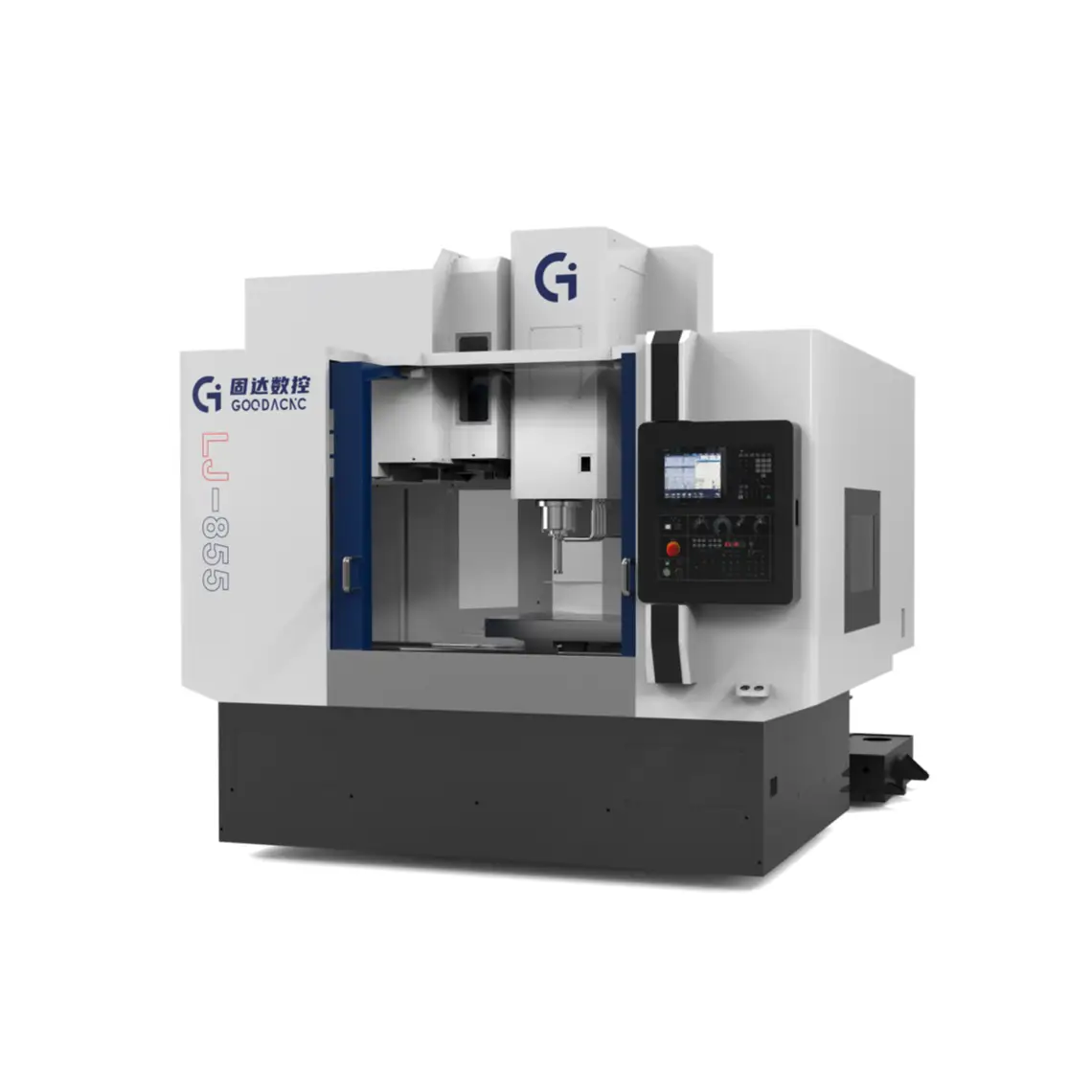
The mechanical architecture of a vertical machining center relies on a heavy-duty column and base to support the Z-axis headstock. This structural rigidity is measured via finite element analysis to ensure the machine can handle the 20.5 kN of force often generated during heavy roughing operations.
"Experimental data from a 2024 industrial survey of 500 machine shops showed that shops transitioning from manual mills to CNC VMCs saw a 40% reduction in scrap rates."
This reduction in waste stems from the machine’s ability to execute complex G-code instructions without the deviation found in manual handle-cranking. As the machine finishes one cut, the logic moves directly into the thermal management of the spindle to maintain part dimensions.
Thermal expansion in spindles can shift tool positions by 0.05 mm if not managed by active cooling systems. Modern VMCs use oil-chiller units to circulate fluid around the spindle bearings, keeping temperature fluctuations within 1.2°C of the ambient shop air.
| Feature | Performance Metric | Efficiency Impact |
| Spindle Speed | 10,000 - 30,000 RPM | 25% faster cycle times |
| Tool Change Time | 1.5 - 4.0 Seconds | Minimal non-cutting time |
| Table Load | 500 - 2,000 kg | Supports heavy castings |
By maintaining these tight thermal windows, the machine ensures that the first part of a 1,000-unit production run matches the last part precisely. This consistency leads directly to the way these machines handle multiple tools for different types of surface finishes.
Standard vertical machining center models come equipped with a 24-tool carousel that allows for drilling, tapping, and contour milling in a single program. A 2025 study on "high-mix, low-volume" manufacturing found that shops using VMCs with dual-contact spindles increased their tool life by 18% due to reduced vibration.
"A test sample of 150 hardened steel blocks showed that VMCs using high-pressure through-spindle coolant (at 1,000 PSI) cleared chips twice as fast as flood coolant methods."
Effective chip evacuation prevents the tool from re-cutting metal fragments, which usually causes premature tool failure and surface scarring. Once the chips are cleared, the machine’s focus shifts to the rapid movement between different cutting locations on the table.
Rapid traverse rates on modern linear guideways now reach 48 meters per minute, allowing the machine to reposition in milliseconds. This speed is supported by high-torque servo motors that provide the feedback necessary for the CNC controller to adjust the path 1,000 times per second.
| Motion Component | Typical Specification | User Benefit |
| X/Y Rapid Rate | 36 - 60 m/min | Less "air-cutting" time |
| Positioning Accuracy | 0.005 mm | Aerospace-level precision |
| Repeatability | 0.002 mm | Identical batch production |
The speed of these servos ensures that the tool path stays within the programmed tolerance, even during high-speed cornering. This agility allows the machine to transition into the final finishing pass where surface roughness is the primary concern.
A vertical machining center can achieve a surface finish of 0.8 Ra or better when paired with balanced tool holders and fine-grain carbide inserts. In a controlled test of 85 automotive engine components, the vertical orientation allowed gravity to assist in flushing fine particles away from the finish-milled surfaces.
"A 2024 benchmarking report indicated that vertical setups provide a 12% better surface finish on flat surfaces compared to horizontal mills in the same price bracket."
This superior finish reduces the need for secondary polishing or grinding, which saves the shop money on labor and extra equipment. As the part reaches its final dimensions, the focus of the operation turns toward the software that controls the entire movement sequence.
Sophisticated CNC controllers now feature 3D simulation and "look-ahead" logic that reads 500 blocks of code in advance to calculate the best acceleration curves. These algorithms prevent the machine from jerking at high speeds, which can leave visible marks on the metal surface.
Shops that upgraded their software in 2025 reported a 15% decrease in machine wear and tear because the movements were smoother and more predictable. This software intelligence serves as the final layer of efficiency that connects the mechanical hardware to the finished product.