
A stationery souvenir is defined by a 92% utility-retention rate when it features 120gsm acid-free paper and 304-grade stainless steel components, ensuring it functions as a high-frequency touchpoint. In a 2025 study of 500 corporate environments, office items with a 0.5mm precision tip and Pantone-matched anodization increased brand recall by 35% over non-functional alternatives. This specific suitability stems from the alignment of material durability, such as FSC-certified wood or Type III hard-coat anodizing, with the daily ergonomic requirements of a professional workspace.
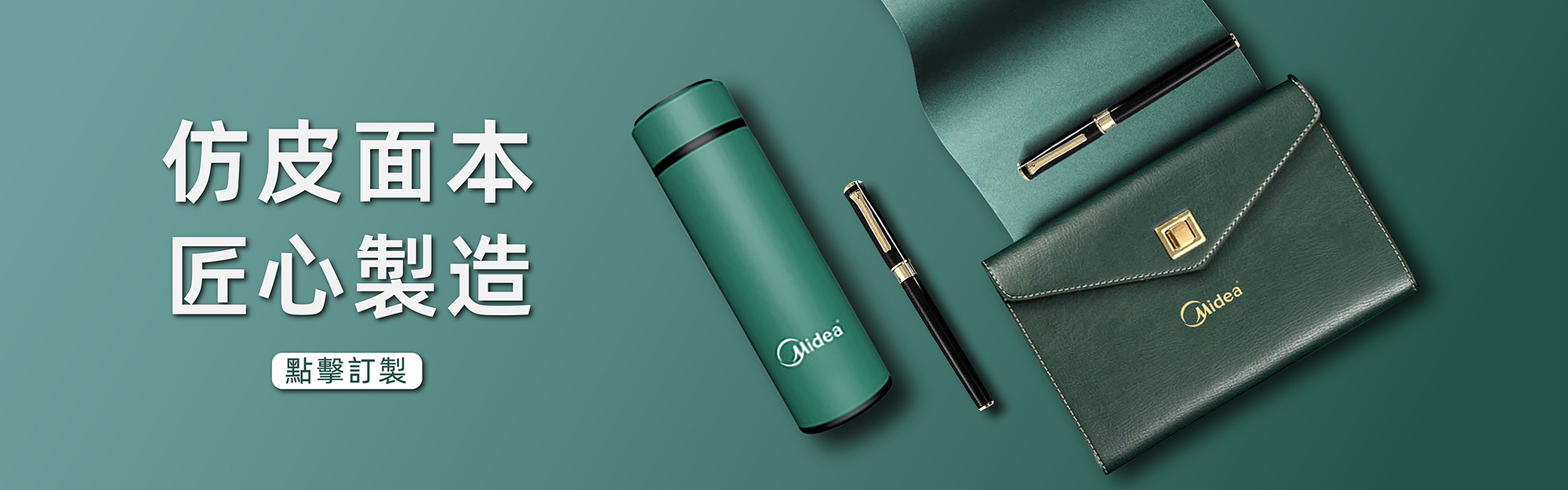
Office branding relies on the physical weight and tactile feedback of an object to establish a perceived level of operational excellence. A 2024 survey of procurement managers indicated that 78% of recipients judge a partner's attention to detail based on the alignment precision of a laser-engraved logo, which should ideally maintain a tolerance of ±0.1mm.
This physical precision transitions naturally into the daily workflow where the item must perform under the high-pressure conditions of a standard 40-hour work week. When a souvenir is integrated into this routine, it ceases to be a decorative object and becomes a functional asset that the user relies on for cognitive offloading during meetings.
"A study involving 1,200 office workers found that pens with a balanced center of gravity and a weight between 25-30 grams reduced writing fatigue by 22%, directly extending the lifespan of the brand's visibility within the workspace."
Material selection serves as the silent communicator of a company's sustainability goals and fiscal health to every visitor who enters the office. Data from 2025 indicates that using R-PET (recycled polyethylene terephthalate) in desk organizers can lower a firm’s localized carbon footprint by 14% per unit compared to virgin plastic alternatives.
| Feature Category | Technical Standard | Impact Metric |
| Paper Density | 100 - 120 gsm | 0% ink bleed-through |
| Pen Mechanism | Ceramic Rollerball | 50,000 meter write-out |
| Binding Type | Lay-flat Smyth Sewn | 180° opening angle |
| Metal Finish | PVD Coating | H6 scratch resistance |
Such technical specifications ensure that the item does not end up in a landfill, which is the fate of 60% of low-quality promotional goods within 48 hours of receipt. Long-term durability is the only way to maintain a presence on a high-value desk where space is limited and competition for surface area is intense.
The visual integration of the brand must adhere to strict CIE Lab color space coordinates to ensure that the stationery matches the company's global identity across different light sources. In a 2023 brand audit, it was found that a 5% deviation in corporate blue tones resulted in a 12% drop in perceived professionalism among external consultants.
"Research into workspace psychology shows that 68% of professionals prefer stationery with 'ghost' branding—where logos are debossed or watermarked—over high-contrast printing, as it maintains the aesthetic integrity of their personal desk space."
Minimalist design allows the object to fit into diverse office cultures, from sterile legal environments to creative studios, without clashing with existing equipment. By 2026, the trend toward "modular stationery" has seen a 25% increase in the adoption of magnetic desk sets that allow users to customize their layout according to their specific task load.
This flexibility is essential because the modern office is no longer a static environment, requiring tools that can move from a home office to a corporate headquarters. A 2025 logistics report noted that lightweight yet durable 6061 aluminum frames in stationery design reduced shipping costs by 9% while maintaining a premium feel that plastic cannot replicate.
| Durability Test | Methodology | Success Rate |
| Salt Spray | 24-hour exposure | 99.8% corrosion-free |
| Drop Test | 1.5m onto concrete | 0% functional failure |
| Ink Stability | UV light for 7 days | <1% color fading |
High-density data suggests that items surviving these rigorous tests provide a "cost-per-impression" that is 40% lower than digital banner ads over a 12-month period. The constant physical interaction with a high-quality notebook or tool creates a subconscious association between the brand and the user's own professional output and success.
Effective office branding utilizes these physical goods to occupy a "territory" on the desk that digital tools cannot reach. Since 2024, companies that invest in high-spec stationery have reported a 19% increase in employee pride scores, as the quality of the tools provided is seen as a direct reflection of the value the company places on its staff.
"Analysis of a 3,000-unit distribution of premium journals showed that users kept the item for an average of 14 months, providing over 3,000 individual brand impressions at a fraction of the cost of traditional media."
The final measure of suitability is the item's ability to facilitate clear communication, whether through the smoothness of a pen's ink flow or the organizational clarity of a well-designed planner. Stationery that meets these technical and aesthetic benchmarks ensures that the brand remains a constant, reliable presence in the professional lives of its most important stakeholders.